Analyzing Behavioral Data Flows to Refine Personalized Pathways Through International Wagering Evaluation Networks
Ellis Powell · Nov 15, 2026
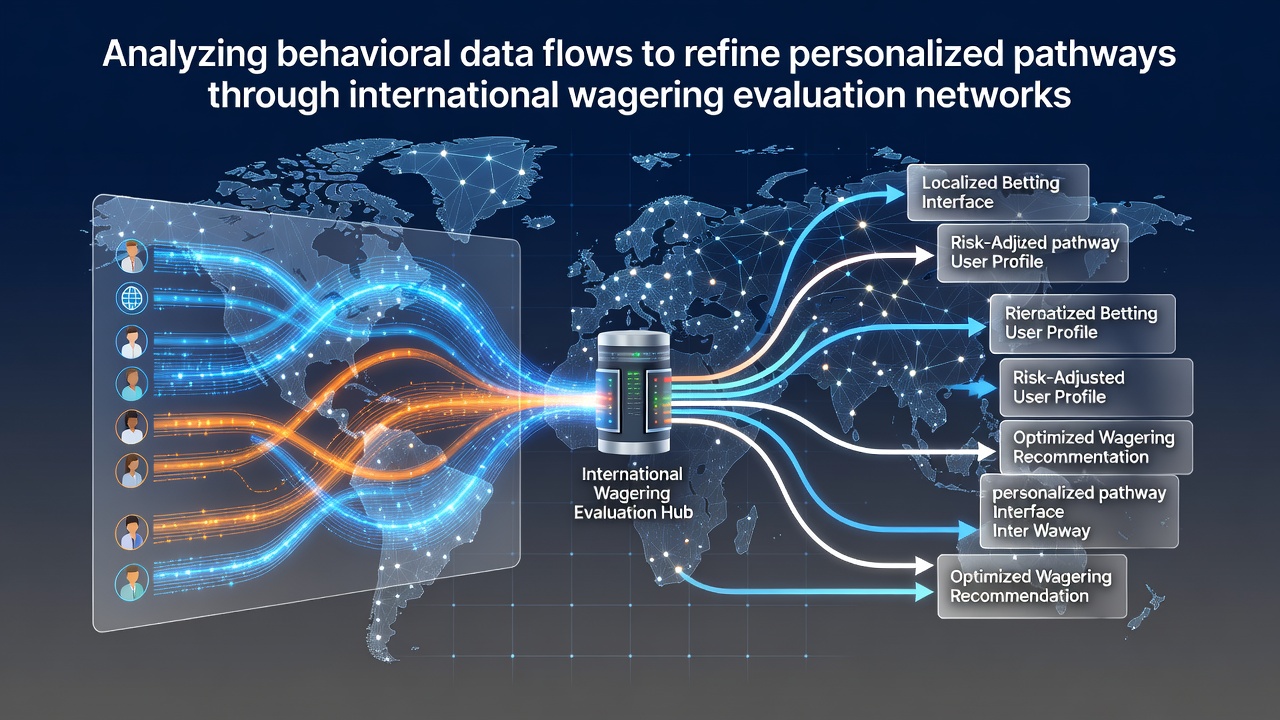
Analyzing Behavioral Data Flows to Refine Personalized Pathways Through International Wagering Evaluation Networks
Behavioral data flows in international wagering evaluation networks operate through layered collection points where user interactions get captured, processed, and routed to create refined pathways that match individual preferences across global platforms. Researchers track these flows using graph structures that map connections between betting activities, session durations, and regional regulatory constraints, allowing networks to adjust content delivery in real time while operators maintain compliance with varying international standards.
Core Mechanisms of Data Collection
Operators gather signals from multiple touchpoints including login patterns, wager amounts, game selections, and device metadata, then channel this information into centralized repositories that feed evaluation systems. According to reports from the Nevada Gaming Control Board, these datasets expand rapidly as cross-border transactions increase, with synchronization occurring through database queries that align live updates across evaluation hubs in different jurisdictions. People who manage these systems note that integration of graph database structures helps trace how individual users move between evaluation nodes, revealing pathways that can be optimized without disrupting the overall network architecture.
Refinement Techniques for Personalized Pathways
Analysis begins with mapping raw behavioral streams onto predictive models that segment users by risk tolerance and engagement frequency, after which algorithms test various route adjustments to see which sequences produce sustained activity. This process incorporates protocol bridges that allow adaptive content layers to respond instantly when new data arrives from international sources, and observers note that such bridges reduce latency in pathway updates by routing queries through optimized endpoints rather than relying on static page refreshes. Data shows that when evaluation networks apply these refinements, users encounter tailored bonus structures and game recommendations that align with their established patterns, although the underlying infrastructure must handle volume spikes during peak periods such as November 2026 holiday cycles when global participation tends to rise.
What's interesting is how backend synchronization prevents fragmentation, because queries pull from shared resources that keep listings, odds, and regulatory flags consistent across regions. One study revealed that platforms using these methods achieve tighter alignment between user expectations and delivered experiences, with the mapping techniques extending to include external factors like time zone differences and currency conversions that affect pathway viability.
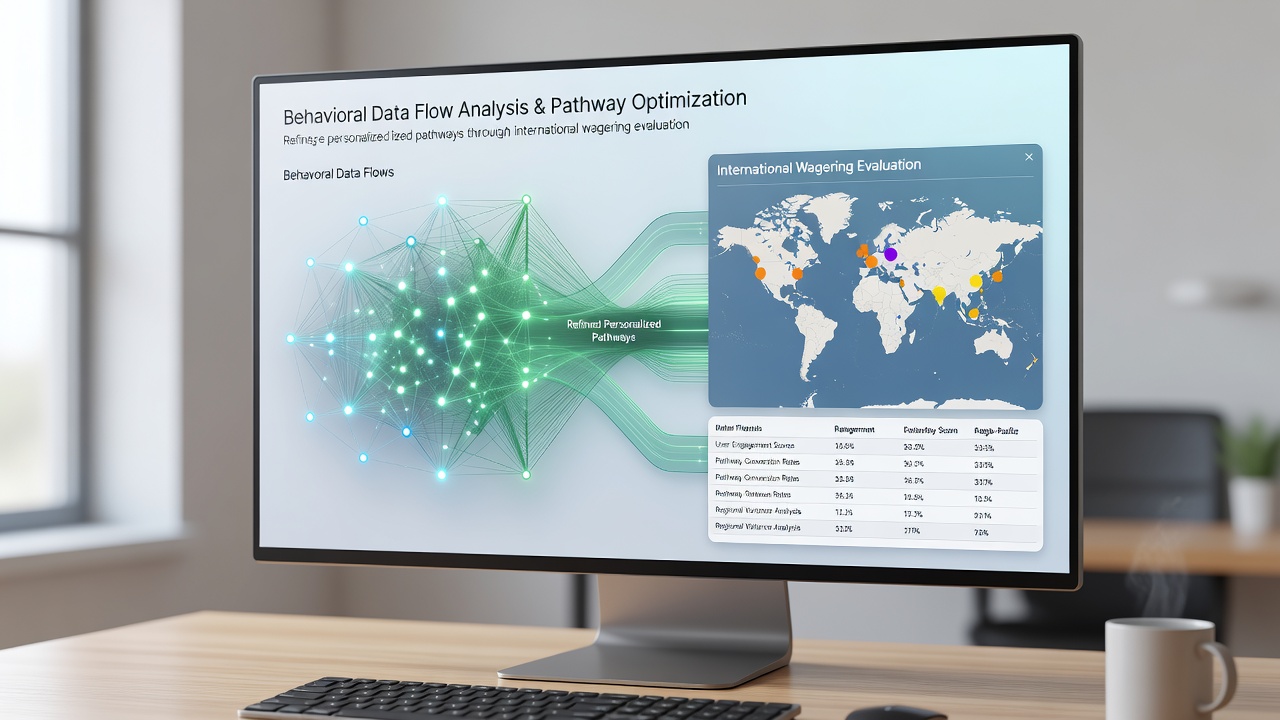
International Network Integration Challenges
Cross-jurisdictional data movement introduces variables around privacy rules and reporting requirements, yet evaluation networks address these through standardized mapping protocols that flag potential conflicts before they reach the personalization layer. Figures from industry research indicate that operators who deploy advanced tracing tools experience fewer interruptions when scaling pathways to accommodate users from multiple continents, because the systems automatically reroute flows around congested nodes. Those who've studied this know that protocol integrations supporting live content refresh play a central role, since they enable directories to stay current without requiring full page reloads that could break user momentum.
But here's the thing, the application of graph structures for connection mapping adds another dimension by highlighting indirect relationships between seemingly unrelated betting behaviors, which in turn informs how pathways get refined for long-term retention. Research indicates that networks incorporating these elements see measurable improvements in how quickly new users locate relevant evaluation content, while established users benefit from incremental adjustments that reflect evolving habits over months rather than isolated sessions.
Future Trajectory and Operational Impact
As of November 2026, several major evaluation networks have expanded their behavioral analysis frameworks to include real-time feedback loops that adjust pathways based on minute-by-minute shifts in user activity. This expansion builds on earlier database synchronization practices that already streamlined content across borders, creating a foundation for more granular personalization without increasing operational overhead. Experts have observed that continued refinement in this area depends on maintaining robust connections between regional hubs, since any break in the data chain can delay the delivery of optimized routes to end users.
Conclusion
The analysis of behavioral data flows ultimately supports the creation of responsive evaluation networks that deliver consistent, individualized experiences across international wagering environments. Through coordinated use of graph mapping, protocol bridges, and synchronized queries, operators maintain pathways that adapt to user needs while respecting the complex regulatory landscape. Continued development in these techniques ensures that global platforms can scale personalization efforts efficiently as participation patterns evolve.