Architecting Modular Plugin Frameworks to Synchronize Live Wagering Data Across Decentralized International Gambling Portals
Ellis Powell · Nov 1, 2026
Architecting Modular Plugin Frameworks to Synchronize Live Wagering Data Across Decentralized International Gambling Portals
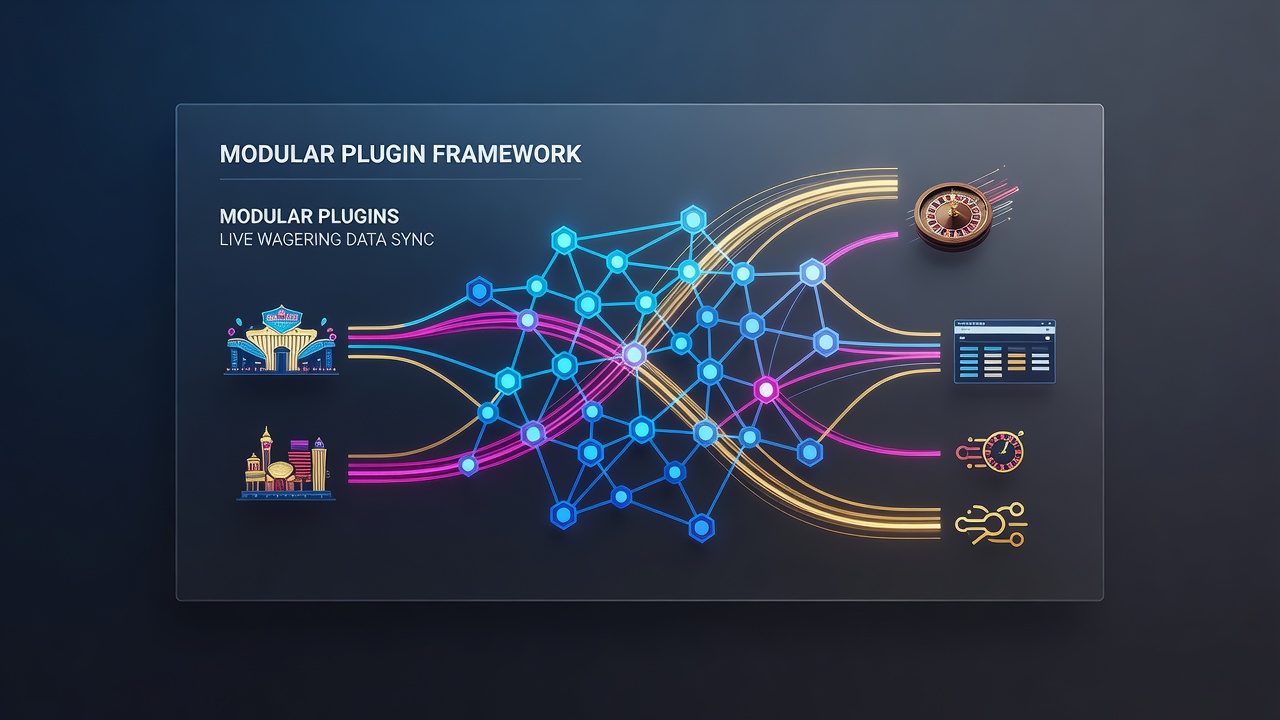
Modular plugin frameworks have become central to managing live wagering data flows between independent gambling portals that operate across multiple jurisdictions and technical environments. These systems rely on interchangeable components that handle data ingestion, validation, transformation, and distribution without requiring a single centralized database. Observers note that such designs allow each portal to maintain local control while participating in shared data streams that update odds, results, and user balances in near real time.
Core Components of Modular Plugin Architectures
Developers structure these frameworks around a core plugin manager that loads and unloads modules based on configuration files or runtime events. Each module addresses a distinct function such as protocol translation between REST and WebSocket endpoints, regional compliance checks for data residency rules, or conflict resolution when simultaneous updates arrive from different sources. Research from technical working groups indicates that loose coupling between modules reduces downtime during updates because operators can replace one component without restarting the entire synchronization service.
Data models in these setups typically use standardized schemas for events like bet placements and payout confirmations, yet portals retain flexibility to extend those schemas through custom fields that other participants ignore if they lack the corresponding plugin. This approach supports environments where one jurisdiction requires additional audit fields that another does not mandate.
Synchronization Mechanisms Across Borders
Live synchronization depends on event-driven messaging layers that propagate changes as soon as they occur rather than through scheduled batch transfers. Plugins often implement conflict-free replicated data types or version vectors to reconcile concurrent edits from separate portals without creating permanent inconsistencies. According to reports issued by the Nevada Gaming Control Board, operators using these techniques have recorded measurable reductions in latency for cross-border result notifications during peak betting periods.

Security considerations receive attention through per-module encryption keys and signed update manifests that portals verify before accepting new data. In November 2026, several regional regulators began requiring documented key rotation schedules as part of licensing renewals, prompting framework maintainers to add automated certificate management plugins that integrate with existing monitoring dashboards.
Integration Patterns with Existing Portal Infrastructure
Many gambling portals already run content management systems and proprietary risk engines, so architects design plugins that expose well-defined interfaces rather than demanding wholesale replacement of those systems. Adapters translate between internal data formats and the shared synchronization protocol, while hooks allow local business logic to intercept incoming updates before they reach the public feed. Industry documentation from the European Gaming and Betting Association shows that organizations adopting adapter-based designs completed cross-portal integrations in shorter timeframes compared with earlier monolithic approaches.
Testing environments replicate multi-portal conditions through containerized instances that simulate network partitions and delayed acknowledgments, helping teams verify that modular components continue functioning when connectivity fluctuates between regions.
Conclusion
Modular plugin frameworks continue to evolve as a practical response to the technical and regulatory demands of synchronizing live wagering data across decentralized international gambling portals. Their component-based structure supports incremental improvements and jurisdiction-specific adaptations while maintaining consistent data exchange standards. As regulatory expectations around data integrity and auditability tighten, the ability to swap or enhance individual modules without disrupting broader operations remains a key operational characteristic documented across multiple implementations.